
How to make your baby budget go further
The prospect of a baby can spark a pang of worry that reverberates through bank accounts and financial planning. However, being clever with cash and looking out for a bargain could see your baby budget go further than you’d think.
Plan ahead
Planning for a baby should start as soon as you find out your pregnant. This doesn’t have to mean locking away thousands of pounds in a vault and booking a place at the university graduation ceremony 21 years in advance, but more making a list of your priorities, your income and spending, and where costs could be cut to save for the arrival of a little one.
Start to accumulate baby items
Part of making the most of money is being organised and clever with your wallet, think about this along with reshaping your budget.
Like moving into a home or preparing for a holiday, buying a little bit at a time is going to offset a big payout just as the baby is due.
Buy in bulk
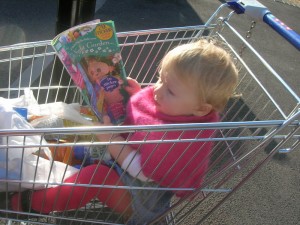
Buying in bulk is great way to save money, as long as you can afford to spend when buying. Think of this in terms of food, multi-pack bags of crisps are cheaper than single bags because the bigger cost is made up front. Often supermarkets will offer deals on bigger packets of nappies, powdered milk and multi-packs of baby food.
Shop wisely for bulk buys and do your calculations to ensure your purchases aren’t costing you more than they would in the long run.
Spread the cost
Buying bigger items, such as cots, can prove very expensive as one of payments. Paying on finance can be a way around taking this hit, as long as it can fit into your monthly budget.
This being said, make sure the amount of interest charged isn’t extortionate. Buying from specialist websites or catalogues is likely to offer different payment schedules, the shorter options are likely to be interest free.
Make sure you’ve got your benefits
Child benefits are essential to feeling financially secure after becoming parent. Although there will be changes coming into place in the upcoming months, such as the child benefit tax from January 2013, it is still possible that benefits will remain intact; only families with any one parent earning over £50,000 will be impacted here.
Contact your local government or DirectGov to find out how much child benefit you are entitled to and how you could go about paying for this.
You can read more of my money saving posts here and on my family budgeting blog
